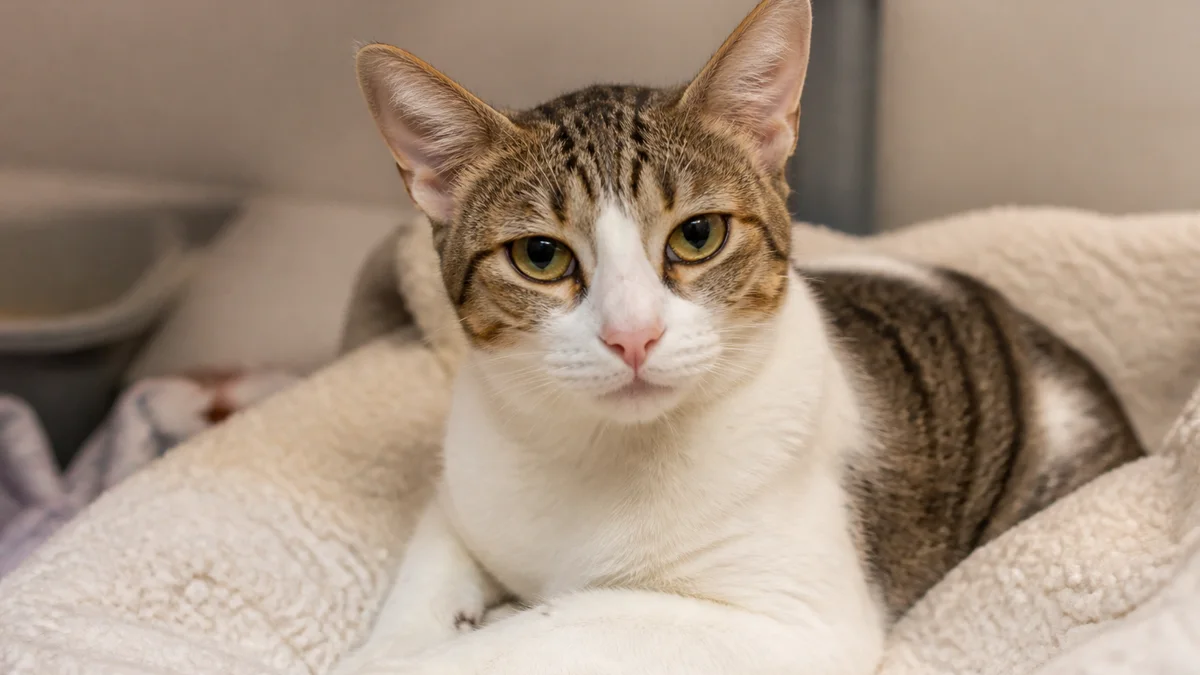
Rescue cats often need time before they show their personality. In the Philippines, many adoptees are Puspin (Philippine Shorthair)—local mixed-breed cats with varied coats and resilient temperaments. The first month is less about perfect behaviour and more about predictable routines, a small territory, and gentle observation.
Before day one: gather essentials
Line up a carrier, litter tray, unscented clumping litter, food and water bowls, a hiding box, scratching surface, and a few simple toys. If possible, ask the shelter or previous carer what food the cat already eats—continuity reduces stomach upset during transition.
Check windows and balcony doors for secure screens. Many Philippine condos have strong drafts and high sun exposure; plan where the cat can rest away from direct heat.
Start with one safe room
A bedroom or study works well. Place litter on one side, food and water on another, and a hiding spot near a wall. Let the cat exit the carrier on her own schedule. Sit quietly in the room rather than chasing interaction.
Build a steady feeding rhythm
Offer measured meals at consistent times. Watch appetite and stool quality. Sudden refusal to eat for more than a day, repeated vomiting, or straining in the litter tray needs veterinary attention—especially in male cats.
The Cornell Feline Health Center publishes owner-friendly references on feeding and common health concerns.
Keep litter simple and accessible
- One tray per cat, plus an extra in multi-cat homes.
- Scoop daily; full change on a schedule that matches your litter type.
- Place trays away from food bowls and loud appliances.
- Notice changes in frequency, straining, or crying in the tray.
Book an early veterinary assessment
Schedule a check within the first one to two weeks if the cat is otherwise stable. Ask about vaccination status, parasite prevention, spay or neuter plans, and identification options. Keep a simple log of weight, appetite, and litter habits.
For local welfare context, the Philippine Animal Welfare Society shares adoption and animal-care resources. Clinical decisions should still come from your veterinarian.